

Mechanic Auto Repair Point Of Sale Register
Mechanic Auto Repair Point Of Sale Register
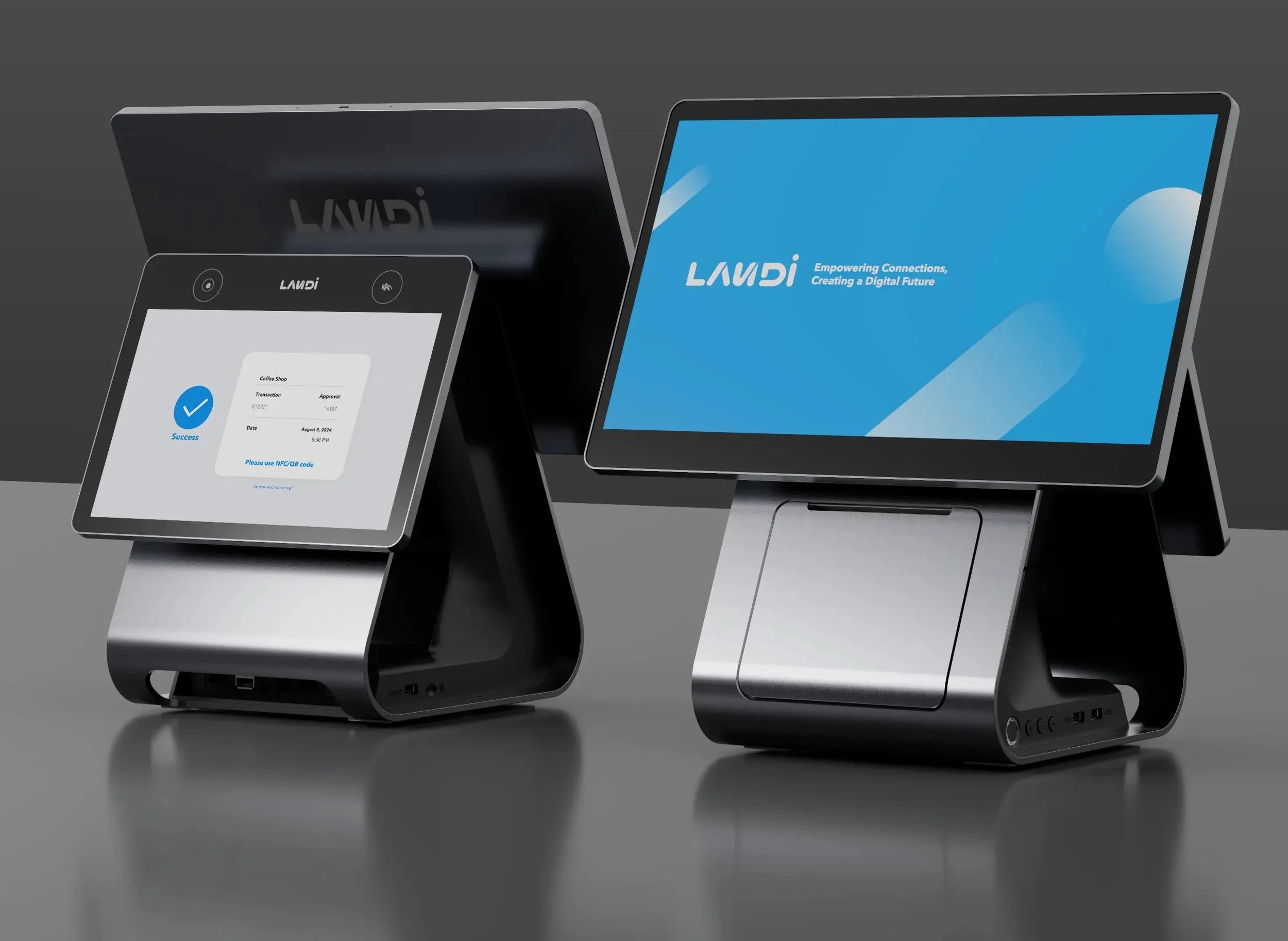
A mechanic auto repair point of sale register is a must-have for modern auto repair shops, streamlining transactions, managing work orders, and tracking parts and labor with ease. With a specialized auto repair POS register, mechanics can process credit cards, debit cards, EMV chip cards, and contactless payments quickly and securely, improving checkout speed and customer satisfaction. This mechanic point of sale register integrates seamlessly with shop management software, offering real-time inventory tracking, reporting, and analytics to help auto repair businesses optimize operations and boost profitability.
We can help get you setup and running right away, providing a reliable auto repair POS register that simplifies payments, enhances workflow, and keeps your shop running smoothly.
Our mechanic auto repair point of sale register is designed to make your auto repair business more efficient, profitable, and customer-friendly. This specialized auto repair POS register allows mechanics to process credit cards, debit cards, EMV chip cards, and contactless payments quickly and securely, reducing wait times and improving customer satisfaction. With seamless integration into shop management software, our mechanic POS register lets you track inventory, manage work orders, monitor labor, and generate detailed real-time reports, giving you complete control over your operations. Built specifically for auto repair businesses, our point of sale register streamlines daily workflow, eliminates errors, and enhances overall productivity. We can help get you setup and running right away, providing a reliable mechanic auto repair POS register that keeps your shop organized, maximizes revenue, and delivers a seamless payment experience for every customer.
Mechanic Auto Repair Credit Card Processing
Mechanic auto repair credit card processing makes it easy for auto repair shops to accept payments quickly, securely, and conveniently, improving cash flow and customer satisfaction. With specialized credit card processing solutions for mechanics, auto repair businesses can accept Visa, MasterCard, AMEX, debit cards, EMV chip cards, and contactless payments both in-shop and on the go.
We can help get you setup and running right away! Modern mechanic auto repair credit card processing services offer competitive rates, PCI compliance, advanced fraud protection, and seamless integration with auto repair point of sale systems and shop management software. By choosing reliable credit card processing for your auto repair shop, mechanics can reduce payment delays, increase ticket size, and offer flexible payment options that keep customers happy and vehicles moving. We can help get you setup and running right away, ensuring your auto repair business processes payments smoothly and efficiently.
Our mechanic auto repair credit card processing merchant account is specifically designed to help auto repair shops accept payments securely, efficiently, and cost-effectively. With our specialized merchant services for mechanics, your auto repair business can process credit cards, debit cards, EMV chip cards, and contactless payments quickly, reducing wait times and improving customer satisfaction. Our merchant account integrates seamlessly with auto repair point of sale systems and shop management software, giving you real-time reporting, transaction tracking, and advanced fraud protection. By choosing our mechanic auto repair credit card processing merchant account, your shop can eliminate payment delays, lower processing costs, increase average ticket size, and provide flexible payment options that keep customers coming back. We can help get you setup and running right away, giving your auto repair business a reliable, secure, and profitable payment solution from day one.
Mechanic Auto Repair Eliminate Credit Card Fees!

A mechanic auto repair credit card machine with dual pricing is a powerful solution to help auto repair shops eliminate credit card processing fees while staying fully compliant. With a dual pricing system integrated into your credit card machine, mechanics can offer a lower cash price and a clearly disclosed credit card price, protecting profit margins on every repair. Modern auto repair credit card machines support EMV chip cards, contactless payments, and mobile wallets, making it easy to process payments securely and efficiently. By using a dual pricing credit card machine, auto repair shops can reduce overhead, increase cash flow, and provide transparent pricing that builds customer trust.
We can help get you setup and running right away, ensuring your mechanic auto repair business eliminates credit card fees while keeping operations smooth and profitable.
Our mechanic auto repair credit card machine with dual pricing is an ideal solution for auto repair businesses looking to reduce costs, improve cash flow, and stay compliant with payment regulations. By offering a clearly disclosed dual pricing structure, your shop can provide a lower cash price while still accepting credit card payments, effectively eliminating processing fees and protecting profit margins. Our credit card machines are built for auto repair shops, supporting EMV chip cards, contactless payments, and mobile wallets, while integrating seamlessly with mechanic point of sale systems and shop management software. This dual pricing solution not only reduces overhead but also increases transparency, builds customer trust, and streamlines payment processing for faster, more efficient transactions. We can help get you setup and running right away, providing your auto repair business with a reliable, compliant, and profitable credit card processing solution that keeps your shop running smoothly and your revenue growing.
Auto Repair Credit Card Processing & POS Systems Built for Modern Mechanic Shops
Running an auto repair shop today requires more than mechanical skill. To stay profitable and competitive, modern mechanic shops need fast, secure payments, streamlined operations, and powerful shop management tools. Our auto repair credit card processing and POS system is designed specifically for mechanics, garages, and service centers—helping you get paid faster, reduce costs, and run your shop smarter.
We provide complete merchant services for auto repair shops, combining advanced credit card machines, a mechanic-focused POS system, and shop management software in one fully integrated platform.
Credit Card Processing Designed for Auto Repair Shops
Our credit card processing for mechanics supports every way your customers want to pay:
EMV chip and PIN
Tap-to-pay and mobile wallets
Text-to-pay and online invoices
In-store, curbside, and over-the-phone payments
Deposits, split payments, and financing options
Unlike “free credit card processing” programs that hide fees and upset customers, our solutions deliver transparent pricing, competitive rates, and faster deposits so you can protect your margins while improving the customer experience.
With our auto repair merchant services, you get:
Faster approvals
Fewer chargebacks
Secure, PCI-compliant transactions
Next-day funding options
Professional-grade credit card machines built for busy shops
Auto Repair POS System That Saves Time and Eliminates Errors
Our auto repair POS system is built around real shop workflows. It doesn’t just ring up tickets—it manages the entire front counter.
With our mechanic shop POS, you can:
Create and manage work orders
Turn estimates into invoices instantly
Sync payments directly to tickets
Apply taxes, shop fees, and discounts automatically
Close out jobs faster with fewer mistakes
Everything is connected. No re-entering totals. No mismatched reports. No wasted time.
Shop Management Software for Mechanics
Beyond payments, our platform includes powerful auto repair shop management software to help you control operations and increase profitability.
Track Auto Parts and Inventory
Real-time parts tracking
Low-stock alerts
Vendor and cost tracking
Parts linked directly to repair orders
Margin and usage reports
This allows your shop to reduce waste, prevent delays, and maintain tighter control over inventory.
Customer & Vehicle Service History Software
Our system includes built-in vehicle service history software for auto repair shops, allowing you to store and access:
Customer profiles and contact information
Multiple vehicles per customer
VIN numbers and mileage
Complete repair and maintenance histories
Technician notes and recommendations
This gives your shop the power to deliver better service, spot repeat issues, and send maintenance reminders that increase repeat business and long-term revenue.
Built for Every Type of Automotive Business
Our system is trusted by:
Independent auto repair shops
Mechanic garages
Tire and wheel centers
Body and collision shops
Transmission and performance shops
Quick-lube operations
Fleet service providers
If you service vehicles and accept payments, this platform is built for your business.
The History of Mechanics and Auto Repair Shops: How the Industry Was Built
The modern auto repair shop is the result of more than a century of innovation, craftsmanship, and adaptation. Long before computerized diagnostics and hydraulic lifts, the work of today’s mechanics began with blacksmiths, carriage builders, and early machine repairers. The history of mechanics and auto repair shops mirrors the history of transportation itself—evolving from hand-forged parts and wooden wheels into today’s high-tech service centers.
The Roots of the Mechanic: Before the Automobile
Before cars ever reached public roads, mechanics were already essential. Blacksmiths, wheelwrights, and machinists maintained horse-drawn wagons, farm equipment, steam engines, and industrial machinery. These early tradesmen understood metals, gearing, lubrication, and structural repair—the same fundamentals still used in automotive service today.
When the first gasoline-powered vehicles appeared in the late 1800s, these craftsmen naturally became the first auto mechanics. Early automobiles were fragile, experimental, and frequently broke down. Repairs were performed in carriage houses, bicycle shops, and machine sheds—wherever tools and mechanical knowledge existed.
The First Auto Repair Shops (1890s–1910s)
As automobiles slowly gained popularity, the need for dedicated repair facilities became obvious. The earliest auto repair shops opened near city centers and along major travel routes. These shops repaired engines, built custom parts, patched tires, and solved problems no manuals yet existed for.
Early mechanics were problem-solvers and inventors. They routinely machined components by hand and modified factory designs. During this era, the word “garage” came into use, referring not only to vehicle storage but to full mechanical service.
Mass Production and the Rise of the Neighborhood Garage (1910s–1930s)
The introduction of assembly-line manufacturing changed everything. When affordable cars flooded the market, breakdowns, maintenance, and accidents increased just as quickly.
Thousands of independent garages opened across towns and cities. Repair work became more specialized, with mechanics focusing on engines, electrical systems, transmissions, tires, and bodywork. Tool manufacturers responded by producing equipment specifically for auto service, including lifts, air compressors, and engine testers.
The local mechanic became a trusted community figure—someone drivers depended on to keep their vehicles reliable in an era when breakdowns were common.
Postwar Growth and the Professionalization of Auto Repair (1940s–1960s)
After World War II, car ownership exploded. Expanding highways, suburban development, and a booming economy made automobiles central to daily life.
Auto repair shops grew larger and more advanced. Hydraulic lifts, alignment racks, and diagnostic machines became standard. Trade schools and certification programs expanded, formalizing mechanic training. Dealership service departments increased, but independent shops continued to thrive by offering faster service and personal relationships.
This period is often considered the golden age of the independent auto repair shop.
The Electronic Shift (1970s–1990s)
The introduction of onboard computers, emissions systems, and fuel injection reshaped the profession. Cars were no longer purely mechanical—they were electronic and computer-controlled.
Mechanics became technicians. Shops invested in scan tools, diagnostic computers, and continuing education. Understanding wiring, sensors, and software became just as important as knowing engines and transmissions.
Auto repair shops that adapted survived. Those that did not struggled. This era permanently raised the technical bar of the industry.
The Modern Auto Repair Shop (2000s–Today)
Today’s repair shops are technology-driven operations. Modern vehicles contain dozens of modules controlling everything from braking to lane positioning. Shops rely on:
Computerized diagnostics
Digital inspection systems
Cloud-based shop management software
Integrated credit card processing and POS systems
Electronic vehicle service histories
Real-time parts and inventory tracking
Mechanics now work on hybrids, electric vehicles, and advanced driver-assistance systems. The profession requires continuous training, technical certifications, and strong computer skills.
Auto repair shops have also evolved on the business side—focusing on efficiency, customer experience, and long-term service relationships.
From Craftsmen to High-Tech Professionals
Despite all technological changes, the heart of the profession remains the same. Mechanics are still problem-solvers. Auto repair shops are still built around trust, skill, and service. The tools have changed, but the mission has not: keep vehicles safe, reliable, and on the road.
From blacksmith shops to digital service centers, the history of mechanics and auto repair shops is a story of constant reinvention—one that continues as transportation itself evolves.