

Mechanic Auto Repair Credit Card Processing
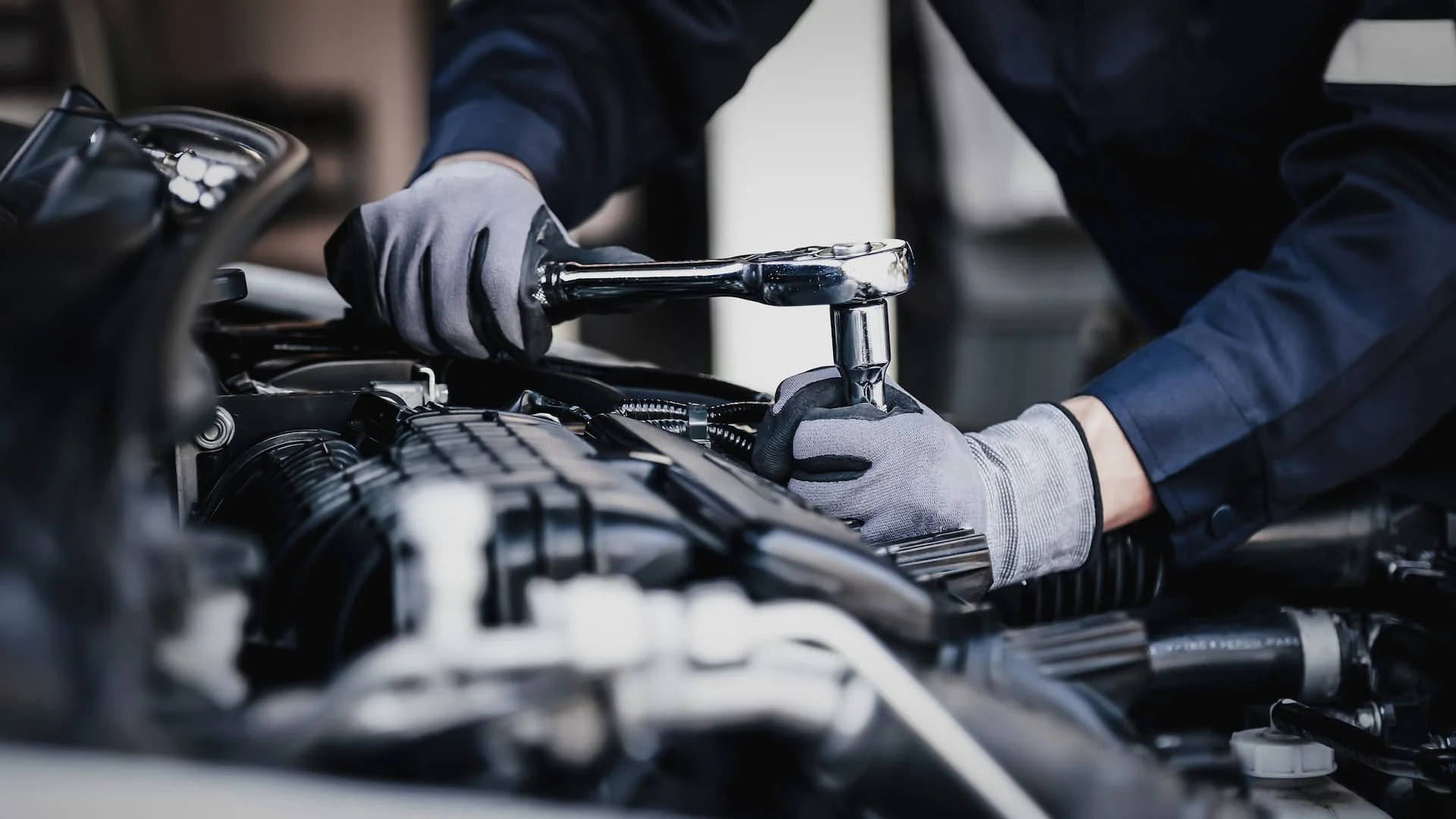
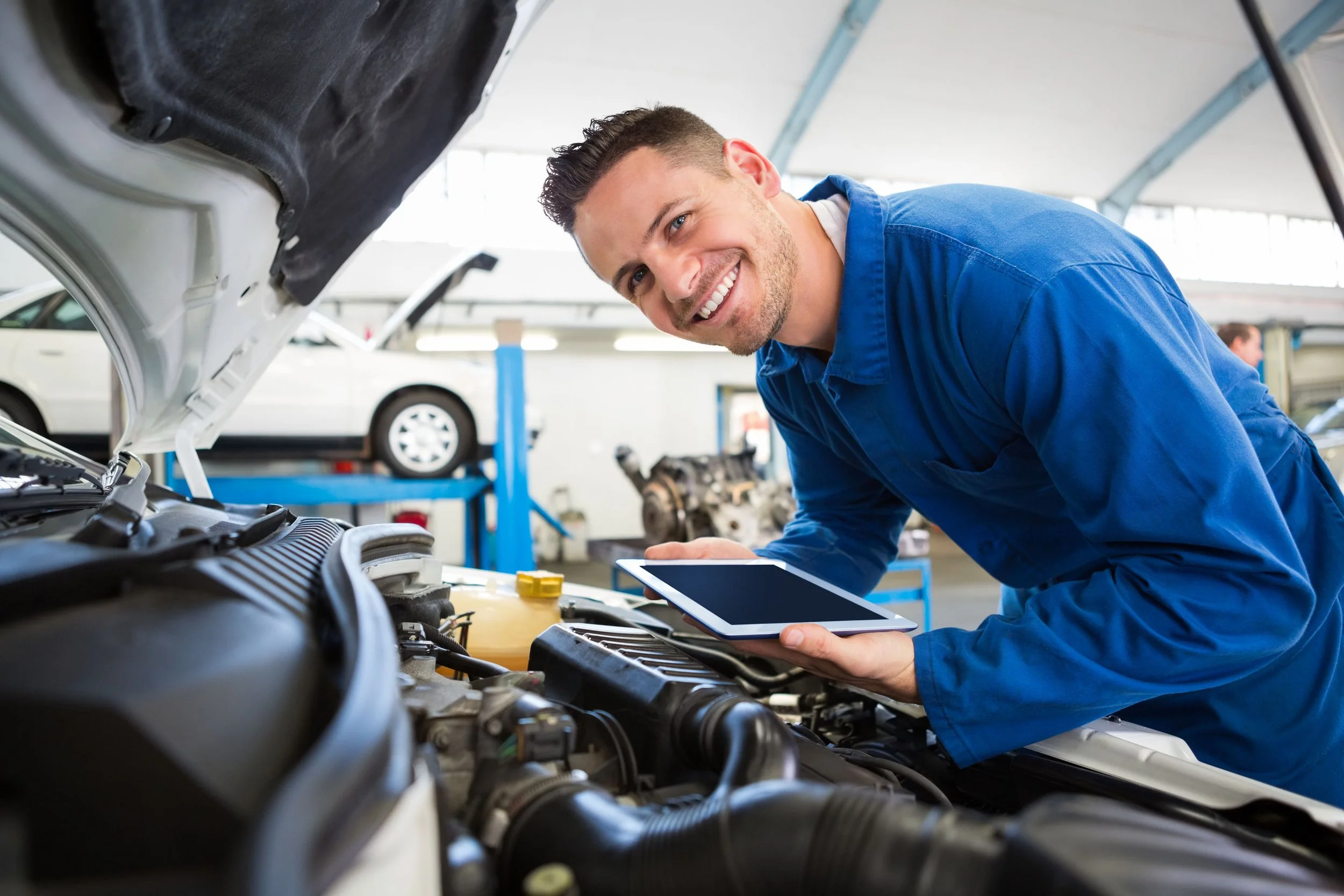
Mechanic auto repair credit card processing gives repair shops a fast, secure, and reliable way to accept payments while improving cash flow and customer satisfaction. With specialized auto repair merchant services, mechanics can accept credit cards, debit cards, EMV chip cards, and contactless payments both in-shop and on the go. Modern auto repair payment processing solutions provide competitive processing rates, advanced fraud protection, PCI compliance, and seamless integration with POS and shop management software.
We can help get you setup and running right away, making it easy to start accepting payments quickly while reducing payment delays, increasing average ticket size, and offering customers convenient, flexible payment options that keep vehicles and revenue moving.
Mechanic Auto Repair Point Of Sale System
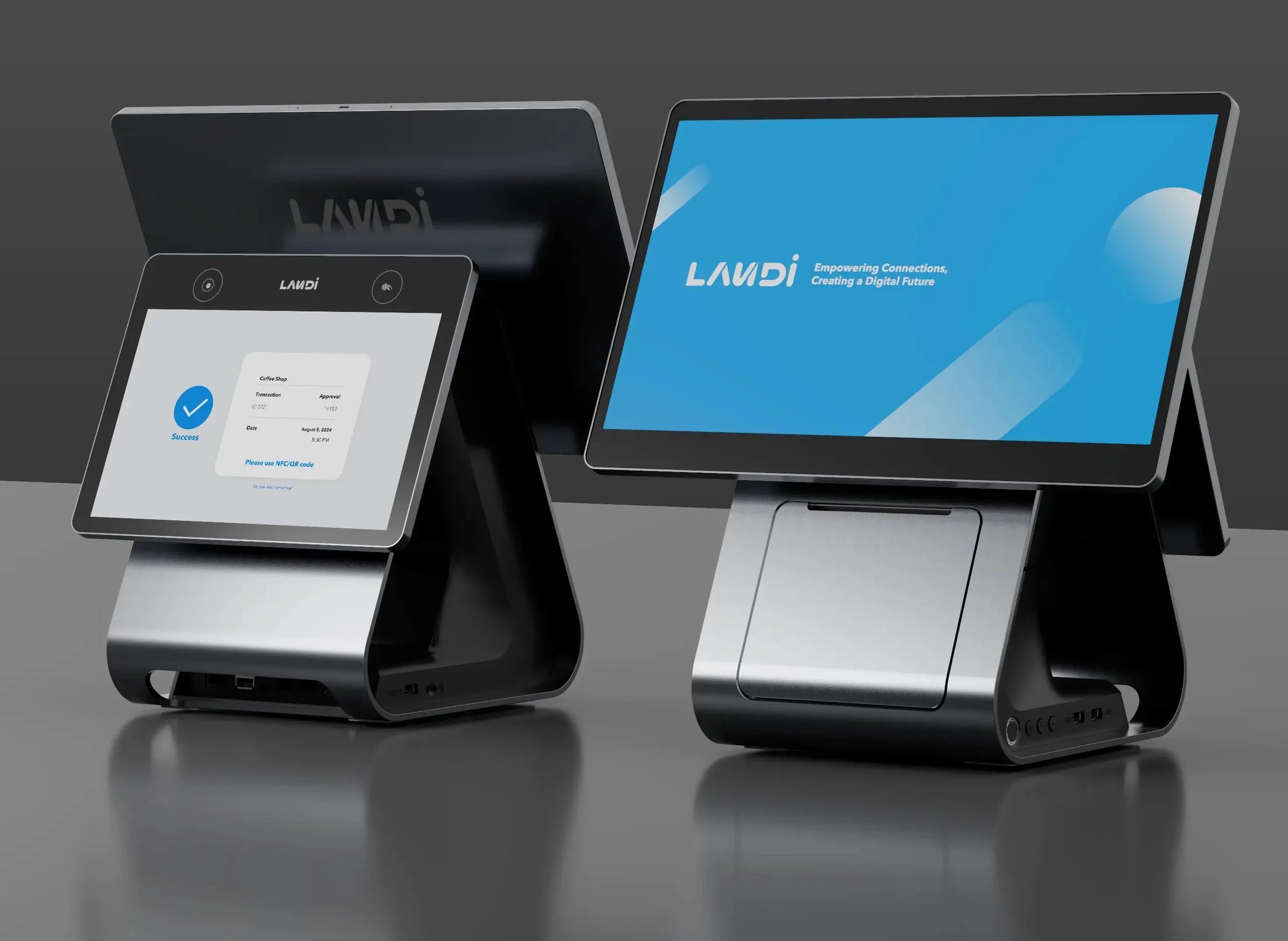
A mechanic auto repair point of sale system helps shops streamline daily operations, improve accuracy, and speed up the checkout process. With a modern auto repair POS, mechanics can manage repair orders, track parts and inventory, process credit card and contactless payments, and access real-time sales reports from one easy-to-use platform. Designed specifically for auto repair businesses, these point of sale systems integrate seamlessly with shop management software to reduce errors, increase efficiency, and enhance customer service.
We can help get you setup and running right away with a reliable mechanic auto repair POS solution that supports EMV payments, mobile transactions, and secure payment processing to keep your shop running smoothly and profitably.
Our point of sale is built specifically for mechanic auto repair businesses, giving you a powerful, reliable, and easy-to-use mechanic auto repair point of sale system that improves efficiency and profitability. Designed to handle the unique needs of auto repair shops, our auto repair POS system allows mechanics to manage work orders, track parts and inventory, process credit cards and contactless payments, and generate real-time reports from one centralized platform. With fast checkout, secure payment processing, EMV compliance, and seamless integration with shop management software, our mechanic point of sale system reduces errors and saves time at the counter. Whether you run a small repair shop or a high-volume service center, our POS helps streamline operations, enhance customer experience, and keep your mechanic auto repair business running smoothly and profitably.

Mechanic auto repair compliant dual pricing allows repair shops to eliminate credit card processing fees while staying fully compliant with payment industry regulations. With a dual pricing program for auto repair shops, mechanics can offer one price for cash and a clearly disclosed price for credit card payments, protecting profit margins and increasing transparency for customers. This compliant dual pricing solution works seamlessly with modern POS systems and credit card terminals, supporting EMV chip cards and contactless payments.
We can help get you setup and running right away, making it easy to reduce overhead, eliminate credit card fees, and keep your auto repair business profitable without raising prices or sacrificing customer trust.
Dual pricing is a powerful payment strategy for your mechanic auto repair business because it helps eliminate credit card processing fees while keeping your shop compliant and profitable. With a compliant dual pricing program, auto repair shops can offer a lower cash price and a clearly disclosed credit card price, giving customers payment flexibility while protecting margins on every repair. This approach reduces overhead, improves cash flow, and allows mechanics to keep more revenue without raising advertised service prices. Dual pricing for mechanic auto repair businesses integrates seamlessly with modern POS systems, supports EMV and contactless payments, and increases pricing transparency, which builds customer trust. By using dual pricing, auto repair shops gain better control over costs, stabilize profits, and create a more sustainable payment solution for long-term growth.
Auto Repair Credit Card Processing & POS Systems Built for Modern Mechanic Shops
If you own or manage an auto repair shop, mechanic garage, body shop, or tire center, your business depends on speed, accuracy, and customer trust. Outdated terminals, paper invoices, and disconnected software slow your shop down and quietly drain profits.
Our auto repair credit card processing and POS system is designed specifically for mechanics—helping you eliminate “free” credit card processing, reduce fees, save time, track parts, and manage complete customer vehicle service histories from one powerful platform.
All-In-One Credit Card Processing for Auto Repair Shops
We provide secure, compliant credit card processing for auto repair businesses that supports:
EMV chip & PIN
Tap-to-pay and mobile wallets
Text-to-pay and online invoices
In-store, curbside, and over-the-phone payments
Financing and split payments
Unlike “free credit card processing” programs that hide fees and hurt customer trust, our solutions focus on transparent pricing, lower effective rates, and faster deposits.
This means:
✔ Fewer chargebacks
✔ Better cash flow
✔ No billing surprises
✔ A smoother customer checkout experience
Auto Repair POS System That Saves Time and Eliminates Mistakes
Our auto repair POS system is more than a cash register. It’s a full shop management hub built to streamline your front counter and your service bays.
With our POS for mechanics, you can:
Create work orders in seconds
Turn estimates into invoices instantly
Sync payments directly to tickets
Close out jobs faster
Automatically balance end-of-day totals
Everything flows together—no double entry, no mismatched totals, and no wasted time.
Built-In Shop Management Software for Mechanics
Our platform includes advanced auto repair shop management software to help you take control of daily operations.
Track Parts and Inventory in Real Time
Never over-order or run out of critical parts again.
Real-time parts tracking
Low-inventory alerts
Vendor and cost tracking
Parts assigned directly to repair orders
Profit margin reporting
This gives your auto repair shop tighter inventory control, better pricing accuracy, and stronger profitability.
Customer & Vehicle Service History Tracking
One of the most powerful features of our system is full customer and vehicle service history software for mechanics.
Store and access:
Customer contact details
Multiple vehicles per customer
VIN and mileage tracking
Complete repair and maintenance history
Technician notes and service photos
This allows your shop to:
Instantly see past repairs
Identify recurring issues
Provide better estimates
Send maintenance reminders
Increase repeat business
Shops using digital vehicle history tracking consistently see higher customer retention and increased lifetime value.
Why Auto Repair Shops Choose Our POS & Processing Solutions
Mechanic shops switch to our system because it delivers:
Faster checkout times
Fewer accounting errors
Lower processing costs
Better inventory control
Stronger customer relationships
Professional, modern operations
Whether you run a single garage or multiple locations, our auto repair POS system and credit card processing platform scales with your business.
Designed for All Types of Automotive Businesses
Our system is trusted by:
Independent auto repair shops
Mechanic garages
Tire and wheel shops
Transmission specialists
Performance and tuning shops
Body shops and collision centers
Quick-lube operations
If you service vehicles and accept payments, this platform was built for you.
Get a Free Auto Repair POS & Processing Consultation
Stop juggling terminals, software, and paperwork.
Upgrade to a complete auto repair credit card processing and POS solution that helps you work faster, get paid easier, and grow stronger.
👉 Schedule your free consultation today and see how much time and money your shop could be saving.
The History of Mechanics and Auto Repair Shops: From Blacksmiths to High-Tech Service Centers
Auto repair shops are now an essential part of everyday life. But the profession of the mechanic is far older than the automobile itself. The history of mechanics and auto repair shops is a story of innovation, craftsmanship, and constant adaptation to new technology. From early blacksmiths and carriage builders to today’s computerized service centers, mechanics have always played a critical role in keeping transportation moving.
Before the Automobile: The First Mechanics
Long before cars existed, mechanics worked on wagons, bicycles, steam engines, agricultural equipment, and industrial machinery. Blacksmiths and carriage makers were the earliest service technicians. They repaired wooden wheels, forged metal parts, maintained brakes, and solved mechanical problems for horse-drawn transportation.
These early craftsmen laid the foundation for the modern mechanic. They understood gears, bearings, lubrication, alignment, and structural integrity—core principles that still apply today. When the first automobiles appeared in the late 1800s, these same tradesmen became the world’s first auto mechanics.
The Birth of the Auto Repair Shop (1890s–1910s)
As automobiles began appearing on public roads in the late 19th century, breakdowns were frequent. Early vehicles were unreliable, parts were custom-made, and drivers often relied on bicycle shops, blacksmiths, and machine shops for repairs.
The first true auto repair shops emerged in the early 1900s. These shops focused on:
Engine repairs
Belt and chain drives
Carburetors and fuel delivery
Cooling systems
Wheel and suspension work
Mechanics were inventors as much as technicians. They fabricated parts by hand and modified designs to make vehicles more dependable. During this period, the term “garage” became popular, referring both to storage and mechanical service.
The Assembly Line Era and the Rise of Independent Garages (1910s–1930s)
Henry Ford’s moving assembly line transformed the auto industry. Mass production made vehicles affordable, putting millions of cars on the road. This explosive growth created an entirely new service economy.
Independent auto repair shops opened in cities and small towns across the country. Specialized roles emerged, including:
Engine mechanics
Electrical technicians
Tire and brake specialists
Body repair craftsmen
Standardized parts made repairs faster, and tool manufacturers began producing equipment specifically for automotive service. During this era, the neighborhood mechanic became a trusted local professional.
Post-War Expansion and the Golden Age of Auto Repair (1940s–1960s)
After World War II, car ownership surged. Suburban growth, highway expansion, and cultural enthusiasm for automobiles fueled unprecedented demand for repair services.
Auto repair shops expanded in size and capability. New tools and equipment appeared, including:
Hydraulic lifts
Engine analyzers
Alignment machines
Specialized diagnostic instruments
Mechanics were now trained professionals, often attending trade schools or apprenticeships. Dealership service departments grew, but independent shops thrived by offering personalized service, faster turnaround, and competitive pricing.
This era cemented the auto repair shop as a permanent fixture of modern society.
The Electronic Revolution (1970s–1990s)
The introduction of emissions regulations, fuel injection, and onboard computers transformed the profession. Vehicles were no longer purely mechanical—they were electronic systems on wheels.
Auto repair shops had to evolve quickly. Mechanics became technicians, learning to work with:
Electronic ignition systems
Engine control modules (ECMs)
Sensors and diagnostics
Anti-lock braking systems
Computerized fuel management
Scan tools replaced timing lights as primary diagnostic equipment. Training, certification, and continuing education became essential. Shops invested heavily in technology, and the skill level required to be a mechanic increased dramatically.
The Modern Auto Repair Shop (2000s–Today)
Today’s auto repair shops resemble technology centers as much as garages. Modern vehicles contain dozens of computers, thousands of sensors, and complex integrated systems.
Contemporary shops rely on:
Advanced diagnostic software
Digital vehicle inspections
Cloud-based shop management systems
Integrated POS and payment processing
Real-time parts and inventory tracking
Customer vehicle service history software
Mechanics now work with hybrid systems, advanced driver assistance systems (ADAS), telematics, and electric drivetrains. The profession demands mechanical skill, computer literacy, and continuous training.
Auto repair shops have also become more customer-focused, emphasizing transparency, digital communication, and long-term service relationships.
The Business Evolution of Auto Repair Shops
Alongside technical changes, the business side of auto repair has also evolved. Early shops relied on handwritten tickets and cash payments. Today’s shops use fully integrated systems to manage:
Credit card processing
Work orders and estimates
Inventory and parts tracking
Customer relationship management
Vehicle service histories
Marketing and retention
This evolution allows shop owners to operate more efficiently, control costs, and provide a professional experience that meets modern consumer expectations.
The Road Ahead
The future of auto repair will continue to be shaped by electric vehicles, autonomous technology, and connected cars. While tools and systems will change, the core role of the mechanic remains the same: diagnosing problems, restoring performance, and keeping people safely on the road.
From blacksmith shops to high-tech service centers, mechanics and auto repair shops have always been at the heart of transportation progress. Their history is not just about cars—it is about craftsmanship, innovation, and the essential human skill of solving mechanical problems.